
Social Audio For Beginners: Software Versus Hardware

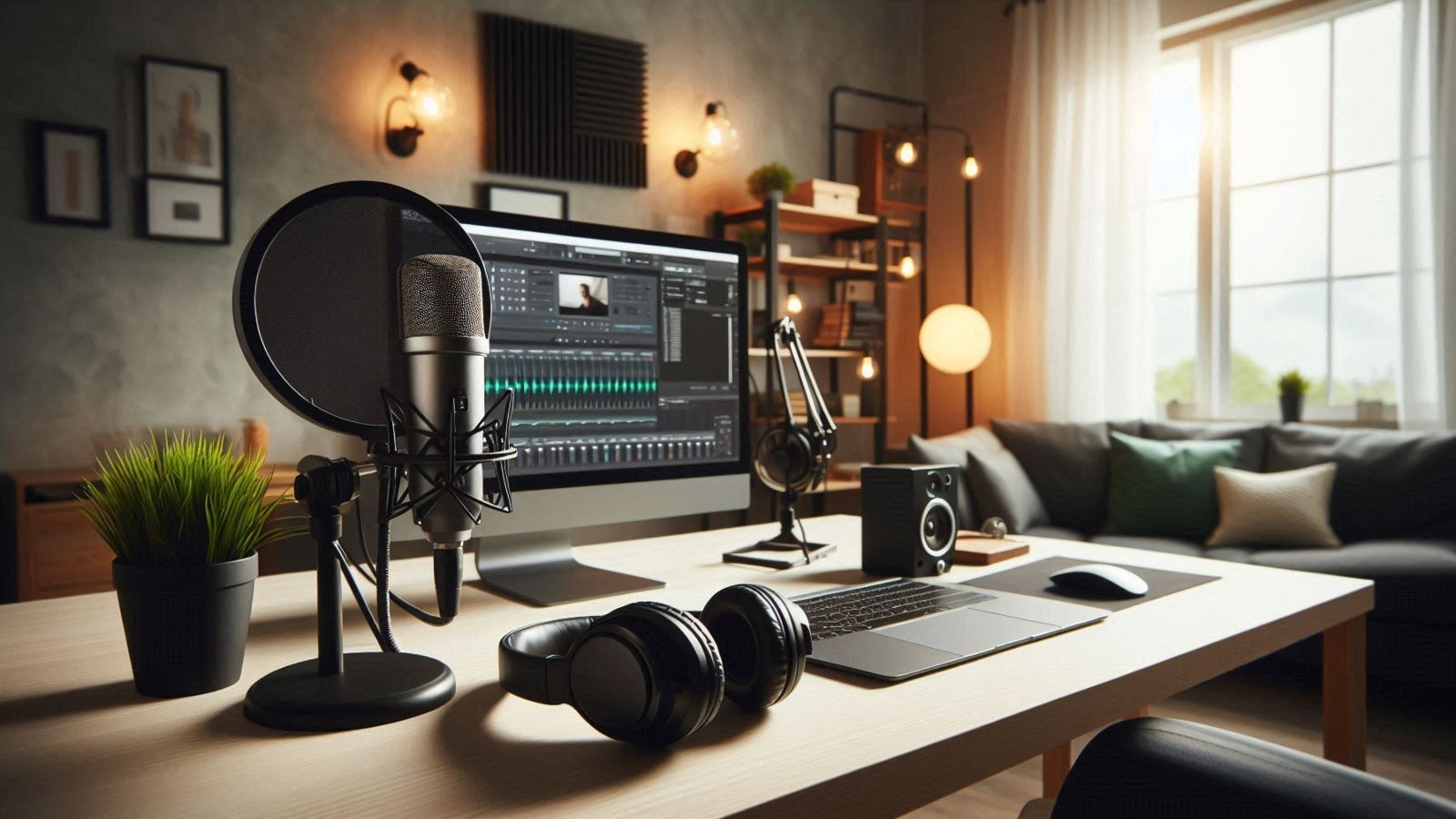
Social audio events work best when your voice sounds clear, warm, and enjoyable for everyone listening.
If you’re new to it, you might be wondering whether to start with free software on your phone or laptop, or upgrade to simple hardware like a quality microphone or a mic and mixer setup.
This guide breaks down both options so beginners can choose confidently.
Software: Easy Start
Apps you already have do the trick, no extra buys needed.
Use your phone’s mic or laptop apps like Zoom tweaks, OBS (free), or the platform’s own noise canceler.
Pros: Super quick to jump in, tweak echo or background noise with sliders, and it’s free.
Cons: Picks up your fan or dog barking if you’re not in a quiet spot; sounds okay but not pro.
Perfect if you’re testing waters from your couch.
Hardware: Level Up Sound
Grab a cheap USB mic that plugs right in.
Pros: Crystal clear voice, cuts noise like magic, feels pro even in a noisy room.
Cons: Gotta unpack and plug in; pricier upfront.
Start here if friends say “I can’t hear you!” a lot.
SOFTWARE
Software for audio livestreaming offers key advantages over hardware only setups or manual methods, making it ideal for podcasters, musicians, and broadcasters.
Here are the “TOP 5” reasons to adopt it.
1. Convenience
Dedicated software simplifies setup with intuitive interfaces, allowing quick starts using just a mic and internet—no complex hardware needed.
2. Cost Savings
It’s far more affordable than traditional radio gear, often free or low cost, eliminating expenses for studios or specialized equipment.
3. Global Reach
Stream to worldwide audiences instantly, engaging thousands via chats, Q&As, and reactions for real time interaction.
4. High Quality
Provides crystal clear audio, low latency, buffering for smooth playback, and features like noise cancellation.
5. Analytics Tools
Offers viewer insights, monetisation options (ads, donations), and easy content management for growth and optimisation.
HARDWAREHardware, on the other hand, excels in audio livestreaming scenarios demanding reliability and professional grade performance over software’s flexibility.
Here are the “TOP 5” reasons to choose it.
1. Superior Reliability
Hardware encoders and mixers avoid computer crashes, OS glitches, or resource conflicts, ensuring uninterrupted streams even during long broadcasts.
2. Low Latency
Dedicated devices process audio with minimal delay, ideal for real time events like concerts, gaming, or interactive Q&As where timing is critical.
3. Professional Audio Quality
Built in preamps, XLR inputs, and noise reduction features deliver broadcast standard sound without software overhead.
4. Portability
Compact units like field encoders or mixers are rugged for mobile use, outdoor events, or travel, without lugging a full PC setup.
5. Stability Under Load
They handle multiple inputs (mics, instruments) and high bitrate streams consistently, perfect for multi source productions like podcasts or live bands.

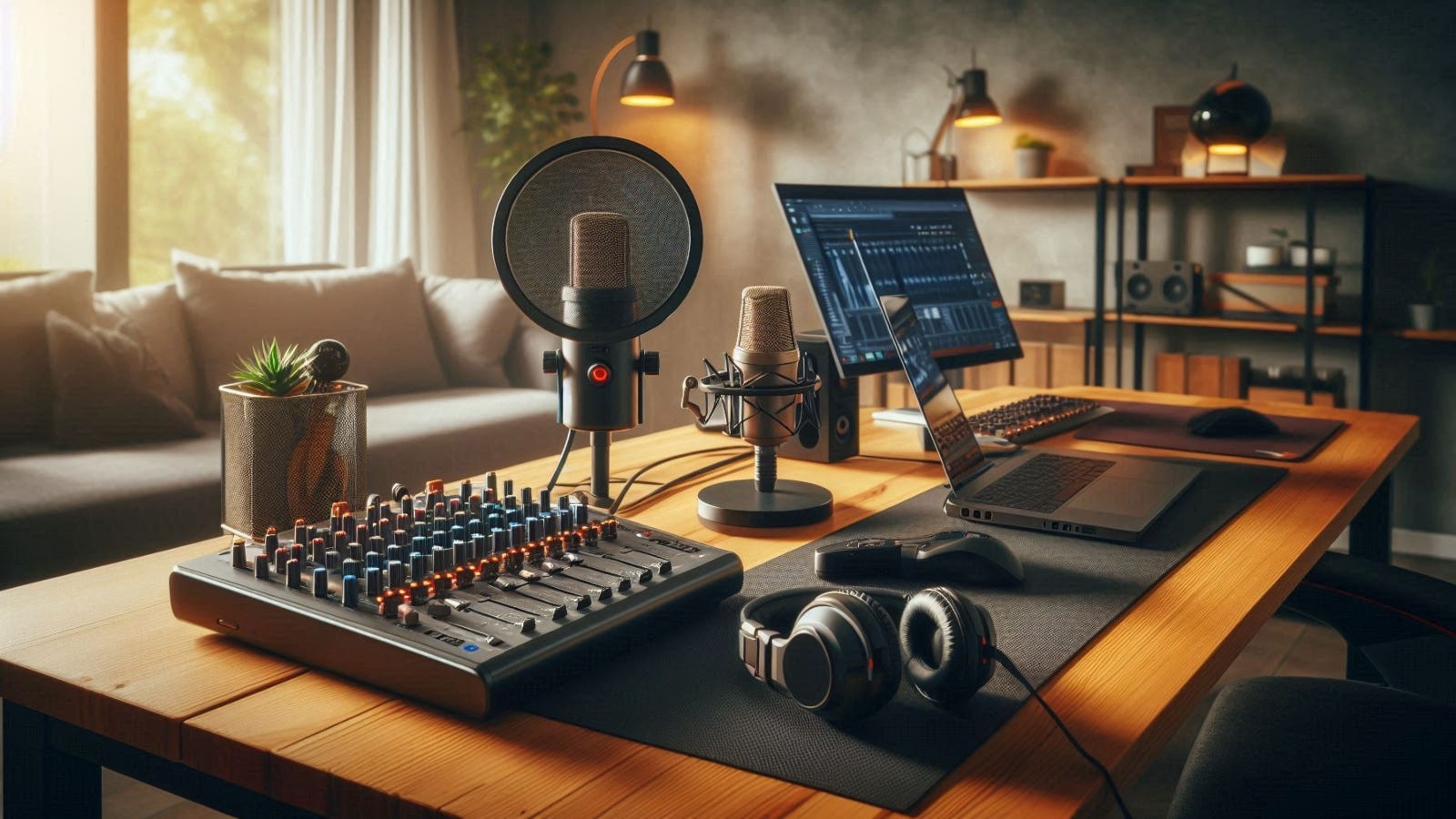
Social Audio For Beginners: Software Versus Hardware
Related Articles

Niche Audio Rooms: How Small Communities Can Create Big Impact

This is helpful, do you have an article with more information about which software platforms you like? I have tried Riverside FM and Opus Clip. Im using audio for mini podcasts here on substack and eventually instagram. Maybe I’ll try You Tube Shorts, but not there yet.